
Once a Marine
How a Charlottesville veteran is using film to tell the story of a soldier’s transition to civilian life
Printed in C-VILLE 9/17/13

Stephen Canty at 17, before joining the Marines (left), and one year later, in Afghanistan (right).
When Stephen Canty watched his little brother leave on his first deployment as a Marine in the fall of 2011, he recognized the grin on Joe’s face as the same one he had worn himself three years earlier. They’d all been grinning then, the guys in 1st battalion, 6th Marines, Charlie Company, excited to be Marines and eager as hell to see combat.
But after eight months in Helmand Province, the excitement waned, and by the time their second deployment came around, the grins were all gone. Before he left, Joe spent most of his time on his parents’ couch, sleeping or stuffing his face with popcorn, so the brothers never really got around to talking about Afghanistan or war. Watching him get on the bus at Camp Lejeune, Canty felt like a parent watching a child head off to college. He knew his little brother was going to go through the same things he did and that they would change him forever, but he also knew that telling him was pointless. War isn’t something you can understand if you haven’t experienced it. It was his brother’s time to grin. His time to lose it would come soon enough. Read the rest of this entry »


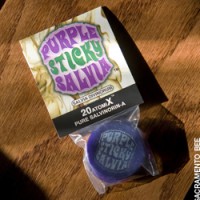 I am still unable to comprehend that the drug has taken hold. I open my eyes and the colors in the Mexican blanket on my lap seem baked, as if they’re on fire. The furniture is stretched out and far away and my conscious mind bobs just out of reach in the middle of the living room.
 To take “butcher” to mean “botch or mangle” is to mangle the true meaning of the word. A good butcher does anything but that. Sixty-five-year-old Richard Bean, co-owner of Double H Farm in Nelson County, purveyor of sustainably raised pork, poultry and vegetables, is one of the last real butchers around. This is due to regulations on handling meat and also because, as Bean sees it, butchering belongs to a bygone era in this country, an era when people were closer to the source of their food. Closer to the viscera.

